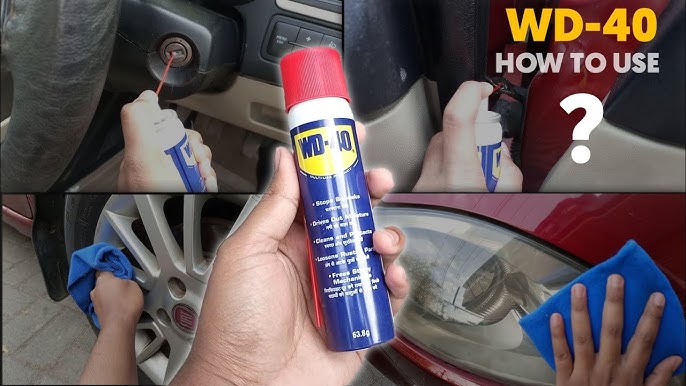
When it comes to multi-purpose products that have become household names, WD-40 is one of the first that comes to mind. Recognized by its signature blue-and-yellow can, WD-40 has been around for decades and is trusted by millions worldwide. Whether you are a DIY enthusiast, mechanic, homeowner, or just someone who wants to keep things running smoothly, WD-40 has earned its place as a go-to solution for countless everyday problems.
In this blog, we’ll explore what WD-40 is, its history, how it works, its many uses, and why it remains such a popular product.
What is WD-40?
WD-40 is a multi-use product primarily designed as a lubricant, rust preventative, penetrant, and moisture displacer. The name “WD-40” stands for Water Displacement, 40th Formula, because it was the 40th attempt at creating the successful formula. It was originally developed in 1953 by the Rocket Chemical Company to protect missile parts from rust and corrosion.
Today, WD-40 is no longer just a tool for aerospace engineers—it’s found in homes, garages, workshops, and industries all over the globe.
Why WD-40 is So Popular
The main reason for WD-40’s popularity is its versatility. Instead of buying separate products for lubrication, cleaning, rust prevention, and protection, WD-40 covers multiple functions in a single can. It’s small enough to keep in your toolbox but powerful enough for large-scale applications.
Another reason is ease of use. It comes with a straw applicator (Smart Straw) for precision spraying or a wide spray option for covering larger areas. This makes it equally useful for delicate parts like hinges or larger equipment like bikes and machinery.
Main Functions of WD-40
- Lubrication – Reduces friction and keeps moving parts running smoothly.
- Rust Prevention – Leaves a protective layer that shields metal from moisture.
- Moisture Displacement – Drives away water, making it ideal after rain or cleaning.
- Penetration – Loosens stuck or rusted parts such as bolts, screws, and locks.
- Cleaning – Removes grease, grime, adhesives, and sticky residues.
Common Uses of WD-40
1. Around the House
- Fix squeaky doors and hinges – A quick spray stops annoying squeaks.
- Clean and protect tools – Prevents rusting on pliers, hammers, and wrenches.
- Remove sticky residue – Works well for removing stickers, labels, or tape residue.
- Sliding doors and windows – Keeps tracks smooth and prevents sticking.
- Bathroom maintenance – Removes lime stains from tiles and prevents rust on faucets.
2. In the Garage
- Car door locks – Prevents freezing in winter and keeps them working smoothly.
- Battery terminals – Protects against corrosion buildup.
- Bike chains – Cleans and lubricates for smoother rides.
- Loosen bolts and nuts – Especially useful when dealing with old, rusted car parts.
- Protect gardening tools – Keeps shovels, shears, and lawnmowers rust-free.
3. For DIY & Repairs
- Paint removal assistance – Helps get rid of paint splatters from metal.
- Power tools maintenance – Extends the life of drills, saws, and grinders.
- Loosening zippers – Works great on stuck zippers on bags or jackets.
- Protect electrical connections – Helps prevent moisture damage in wires.
4. Industrial Applications
- Machinery maintenance – Protects large machines from rust and wear.
- Marine equipment – Keeps fishing gear, boat engines, and anchors corrosion-free.
- Aerospace origins – Still used in aviation for rust prevention and cleaning.
Surprising & Creative Uses of WD-40
Apart from the common uses, WD-40 has some surprising applications people have discovered over the years:
- Removes crayon marks from walls – Parents love this quick solution.
- Keeps bird feeders safe – Spraying the pole prevents squirrels from climbing.
- Shines stainless steel – Makes kitchen appliances look brand new.
- Helps untangle jewelry chains – A small spray and a little patience do wonders.
- Removes chewing gum – From hair, shoes, or carpets, WD-40 can help loosen it.
Safety Tips When Using WD-40
While WD-40 is a handy product, it’s important to use it correctly:
- Always spray in a well-ventilated area.
- Avoid direct contact with skin and eyes.
- Do not use on electronic devices without proper knowledge.
- Store in a cool, dry place away from heat sources.
- Keep away from children.
Alternatives and Misconceptions
Some people confuse WD-40 as just a lubricant, but it’s more than that. It’s not designed to replace heavy-duty lubricants like motor oil or grease. Instead, it’s a multi-purpose solution for everyday fixes and protection.
Also, while WD-40 is great for short-term lubrication, for long-term solutions (like bike chains), it’s recommended to use a dedicated chain lube afterward.
Why Every Home Needs WD-40
The real strength of WD-40 lies in its universality. Whether you live in a small apartment, a farmhouse, or work in a factory, you will always find a reason to reach for it. It saves time, money, and effort by tackling multiple problems with a single spray.
If you’re building a basic household toolkit, WD-40 deserves a permanent place next to your hammer, screwdriver, and pliers.
Conclusion
WD-40 is more than just a lubricant—it’s a problem-solver in a can. From silencing squeaky doors to removing sticky residues, protecting tools, and even helping with creative hacks, WD-40 has cemented its reputation as one of the most useful products ever made.
It’s no exaggeration to say that WD-40 has become a legendary household essential. So next time you face a stubborn bolt, a rusty hinge, or a sticky mess, you’ll know exactly what to reach for: that blue and yellow can of WD-40.